

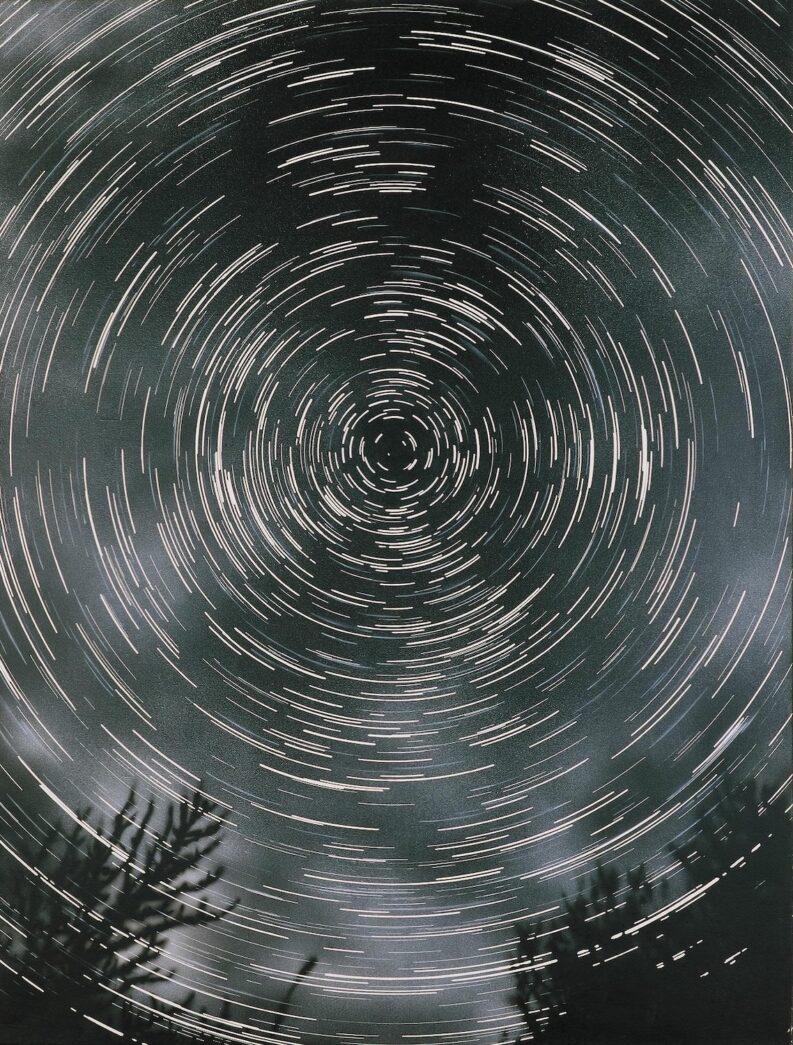
Jack Goldstein
Pictures, Sounds and Movies
24 January – 31 May 2026
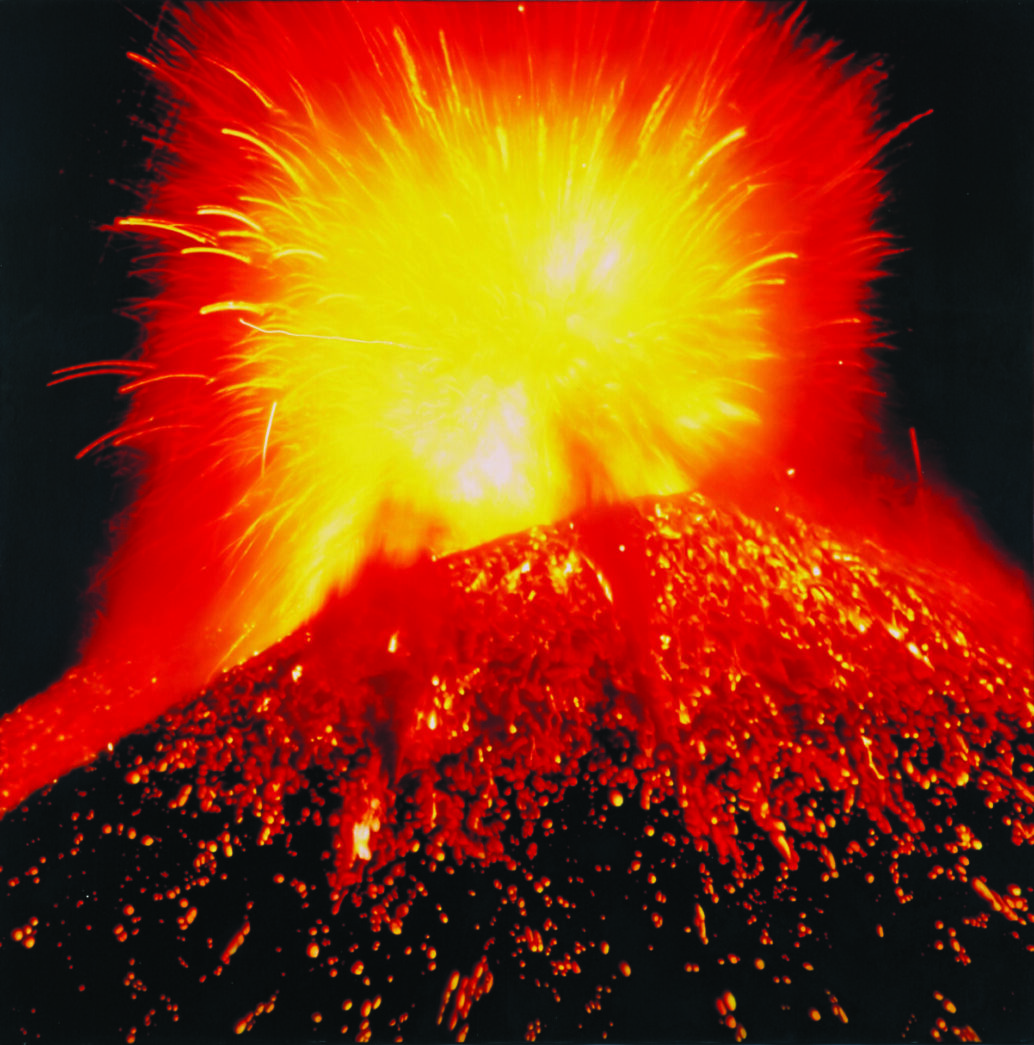
Jack Goldstein
Untitled, 1985
Sammlung Ringier, Schweiz
Press orientation on the exhibition
Thursday, 22 January 2026, 11 a.m. (please register) or individual guided tours upon request.
Kunst Museum Winterthur | Beim Stadthaus
Museumstrasse 52
8400 Winterthur
The Kunst Museum Winterthur is honouring the visionary artist Jack Goldstein – a key figure of the Pictures Generation – with a comprehensive exhibition. With his films, paintings and sound works, Goldstein radically redefined the visual and auditory worlds of modernism.
Jack Goldstein (1945–2003), born in Montreal and a graduate of the California Institute of the Arts (CalArts), is considered a key figure of the Pictures Generation. In the 1970s, this generation rejected traditional art forms, instead appropriating images from advertising, television and popular culture. Goldstein was interested in the autonomy of Minimal Art objects, as well as in the cultural fabrics found in popular culture and Pop Art. At the beginning of his career, he created post-minimalist sculptures and performances. From the early 1970s onwards, he shoot 16 mm films characterised by formal rigour and technical perfection. ‘Video doesn’t interest me because it’s too intimate,’ he said – and hired film crews to produce his films with the precision of a Hollywood studio. The Jump (1978), in which a high diver jumps endlessly into a black void, embodies Goldstein’s existential image theory in a moment between movement and stillness, visibility and disappearance.
In the mid-1970s, Goldstein began working with archaic sounds such as explosions, thunderstorms and animal noises. These “soundtracks without film”, which he edited in the sound studio to trigger deep-seated memories in listeners, became conceptual sound pieces. Around 1980, he turned to painting. His photorealistic paintings criticise authorship and originality by bearing no trace of brushwork. They are based on reproductions from magazines or scientific publications, which assistants executed using airbrush techniques according to precise specifications. In the series on war, nature and technology, the spectacle itself becomes the motif. Goldstein emphasised the theatrical dimension of the image and reflected on the longing for intensity and the sublime in a world dominated by the media. His work revolves around transience, invisibility and the mechanisms of media reproduction – it invites us to reflect on our reality constructed through images and sounds.
In collaboration with MAMCO Geneva and thanks to a permanent loan from the Kienzle Art Foundation and private loans, the Kunst Museum Winterthur is presenting for the first time a representative selection of paintings, films and sound works by the artist who shaped the image, sound and spectacle of postmodernism.
Portrait Series Galerieverein
02.04.2025
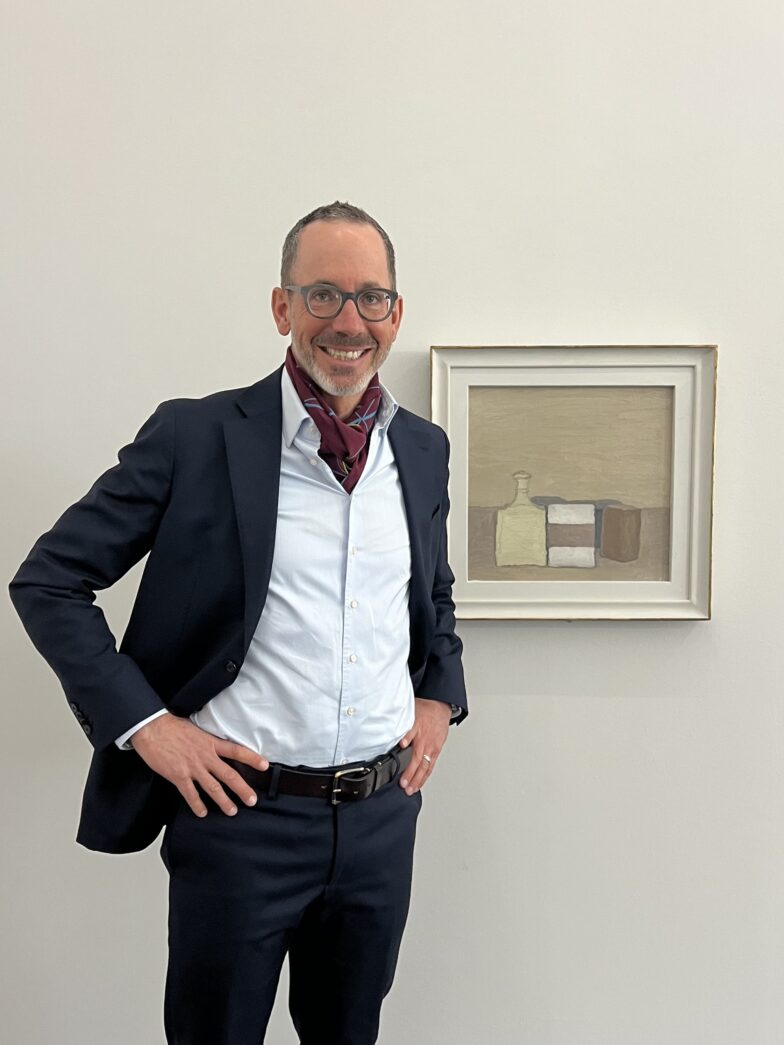
In this post of the members' series, the Galerieverein portrays Stefan Brunnschweiler. The vice president of the association has always felt connected to the Kunst Museum Winterthur. In this article, he introduces his favourite artist Giorgio Morandi and explains why he enjoys being involved in the Galerieverein despite his busy schedule.
MEHR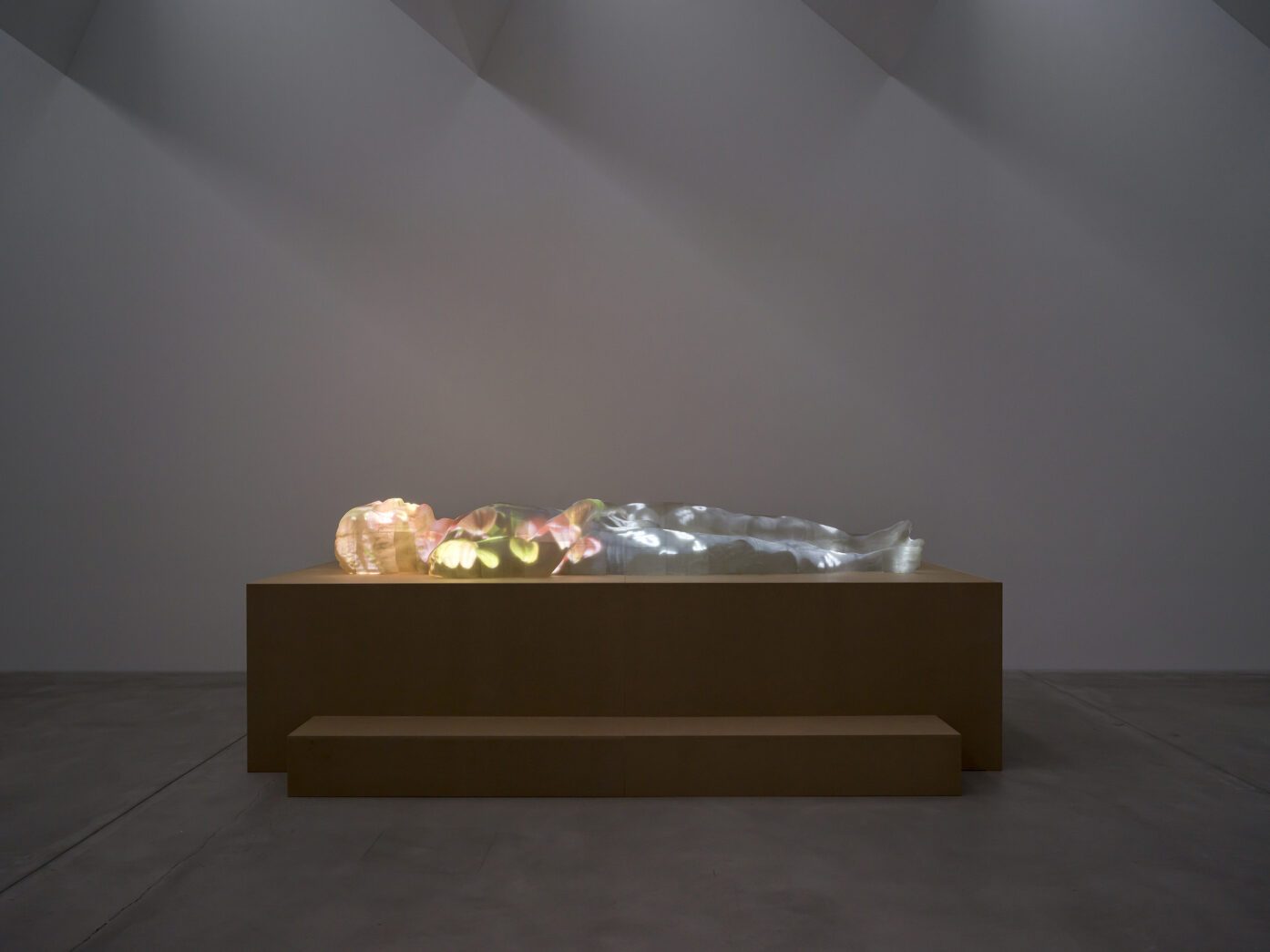
Hoisted from the pit: the gallery association's latest acquisition
10.07.2025
At this year's general meeting of the Galerieverein, a vote was taken on the purchase of works by Tony Oursler. To the great delight of all involved, three works from the current exhibition Hoisted from the Pit were acquired: Nephilim and the two works DMEz*l and che^^trails, which together form an immersive room installation.
MEHR
Call for entries for December exhibition: Overview 2025
02.07.2025
The Kunst Museum Winterthur and the Kunsthalle Winterthur are organising the December exhibition 2025 in collaboration with the Winterthur Artists' Group. Applications to participate are now being accepted. The deadline for registration is 25 August 2025.
MEHR