

Tout est lumière
Cezanne, Van Gogh, Matisse, and the Painters of the South
28.3. – 30.8.2026 | Villa Flora
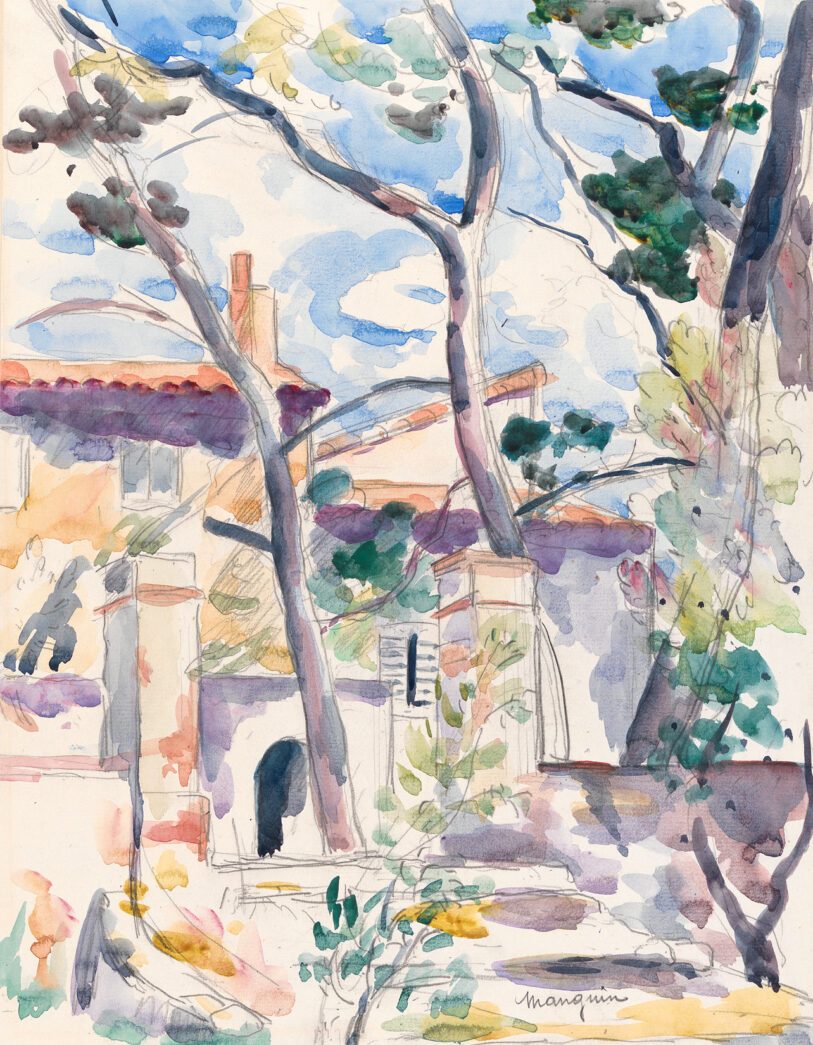
Henri Charles Manguin
La Servianne, 1919
Kunst Museum Winterthur, Jubiläumsgeschenk von E. Richard Bühler, 1923
Foto: SIK-ISEA, Zürich, Philipp Hitz
The exhibition Tout est lumière at Villa Flora of the Kunst Museum Winterthur showcases French painting from the 19th and 20th centuries. Along a journey to the Côte d’Azur, visitors encounter paintings, drawings and watercolours by the artists who were friends of the house. It is a tribute to the painters around Cezanne, van Gogh and Matisse, as well as to the collector couple Hahnloser, who brought the light of the South to Winterthur.
The exhibition Tout est lumière immerses visitors in sun-drenched landscapes that inevitably evoke thoughts of holidays and summer. It brings together paintings, watercolours and drawings by Paul Cezanne, Vincent van Gogh, Pierre Bonnard, Henri Matisse and other artists who, from the mid-19th century onwards, were drawn from the grey cities to the French Mediterranean coast. On the Riviera, they discovered a largely unpainted maritime nature and developed new forms of expression, breaking away from old traditions and advancing the move towards modernism in the light of the South.
In 1888, van Gogh travelled towards the Mediterranean and settled in Arles, where he sought to realise his dream of founding an ‘Atelier of the South’ as an artists’ colony. The idea failed, yet he produced countless paintings of dazzling landscapes with which he made his mark on art history. For him, the light and colours of the South were both liberation and revelation – they allowed him to paint without thinking of rules: ‘In the south, the senses are sharpened. The hands become more nimble, the eye more alert and the mind clearer.’
Even Cezanne, after his stay in Paris, was drawn back to his homeland, where he devoted himself from then on to the Mediterranean landscape. In doing so, he succeeded in moving beyond the Impressionist style in favour of a flat, organised representation ‘parallel to nature’. This marked a shift that would define the art of the 20th century: how something was painted now became more important than what was painted. The younger generation of artists followed this principle, seeking to sharpen their senses and develop their art in the light of the south. Bonnard, for instance, was drawn to Le Cannet, Matisse to Nice, and Manguin to Saint-Tropez. The collector couple Hedy and Arthur Hahnloser also found a second home in the mild climate. From 1923 onwards, they spent the winter months in Cannes, where they engaged in lively exchanges with their artist friends.
Tout est lumière is a tribute to the light of the South – to the artists who found their freedom in it, and to Hedy and Arthur Hahnloser, who carried this radiance forward in their collection.
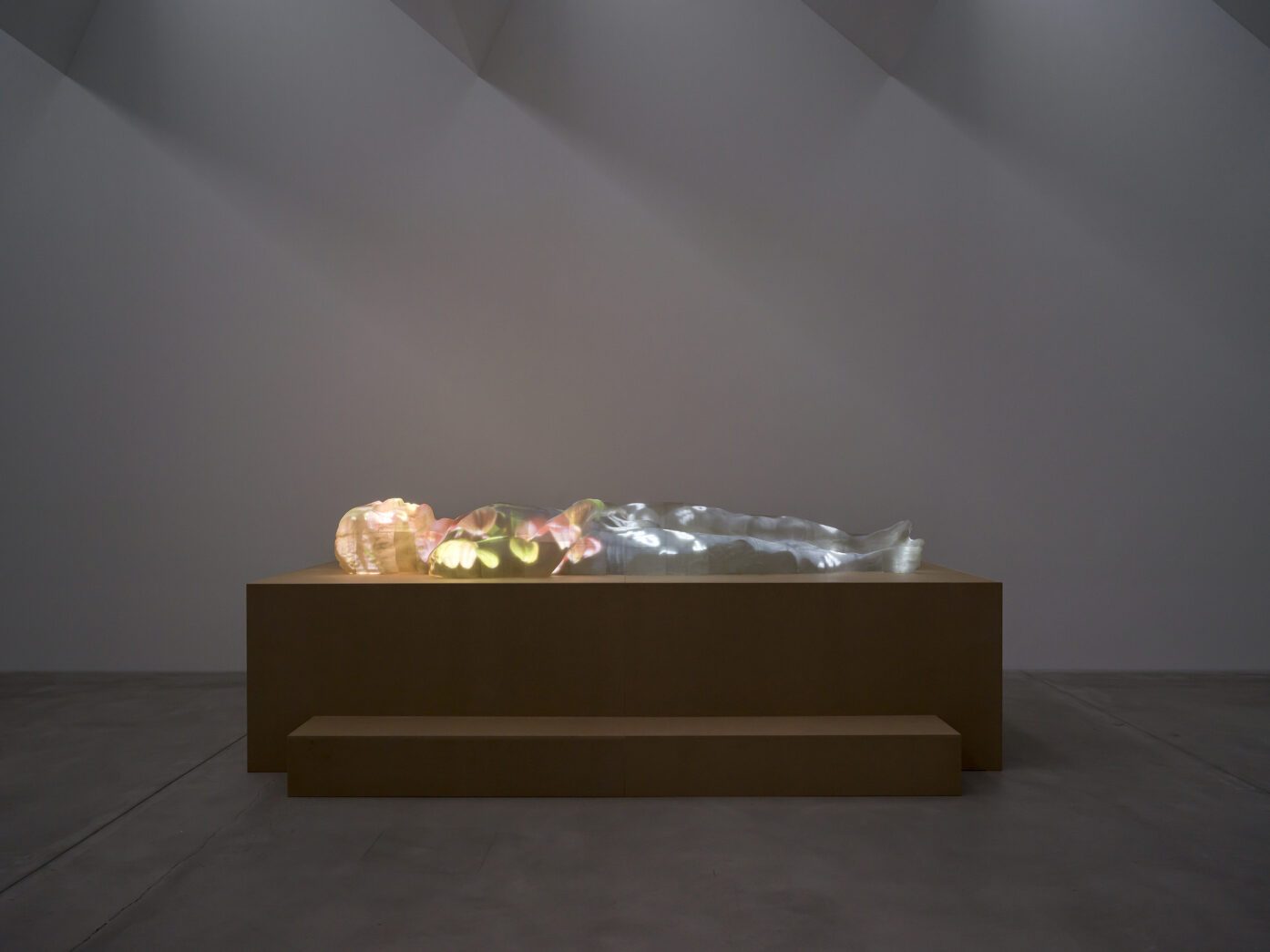
Hoisted from the pit: the gallery association's latest acquisition
10.07.2025
At this year's general meeting of the Galerieverein, a vote was taken on the purchase of works by Tony Oursler. To the great delight of all involved, three works from the current exhibition Hoisted from the Pit were acquired: Nephilim and the two works DMEz*l and che^^trails, which together form an immersive room installation.
MEHR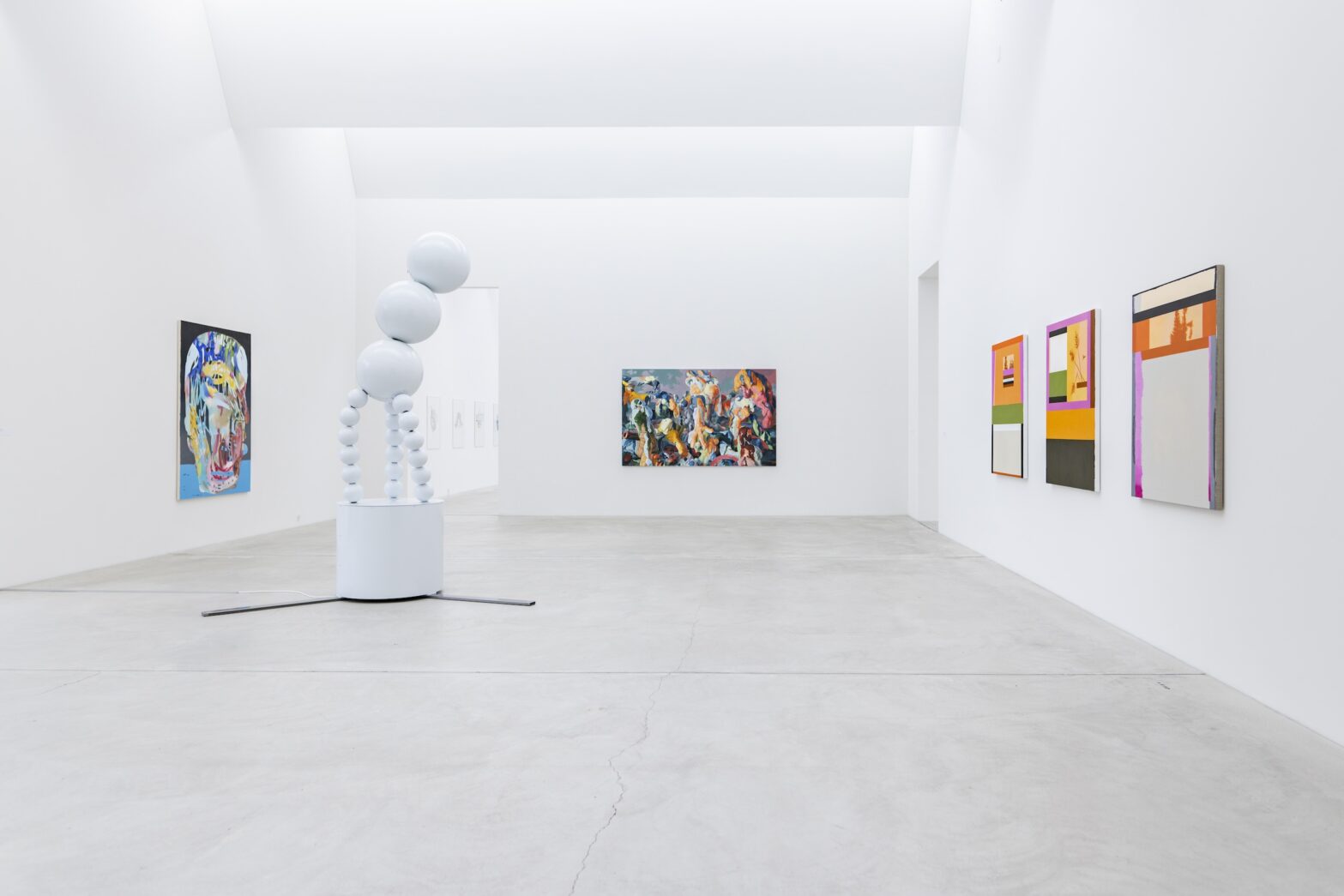
Call for entries for December exhibition: Overview 2025
02.07.2025
The Kunst Museum Winterthur and the Kunsthalle Winterthur are organising the December exhibition 2025 in collaboration with the Winterthur Artists' Group. Applications to participate are now being accepted. The deadline for registration is 25 August 2025.
MEHR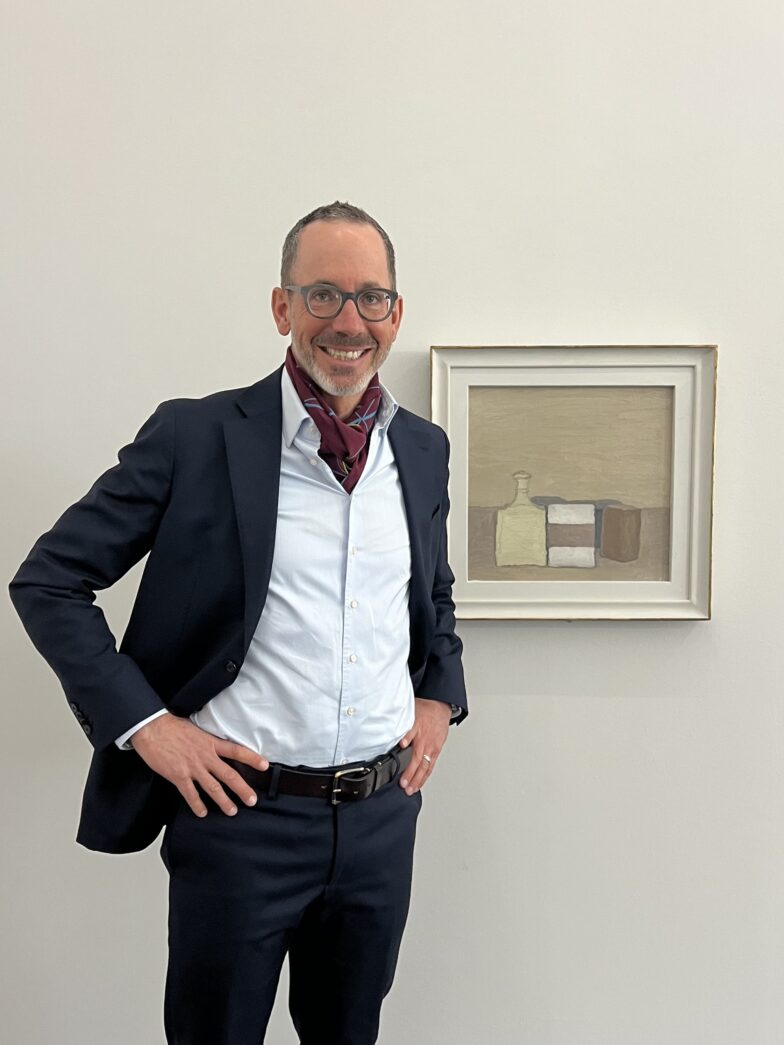
Portrait Series Galerieverein
02.04.2025
In this post of the members' series, the Galerieverein portrays Stefan Brunnschweiler. The vice president of the association has always felt connected to the Kunst Museum Winterthur. In this article, he introduces his favourite artist Giorgio Morandi and explains why he enjoys being involved in the Galerieverein despite his busy schedule.
MEHR