


Dining with Pieter Claesz
Focus on Still Life
as of 14.11.2026 | Reinhart am Stadtgarten
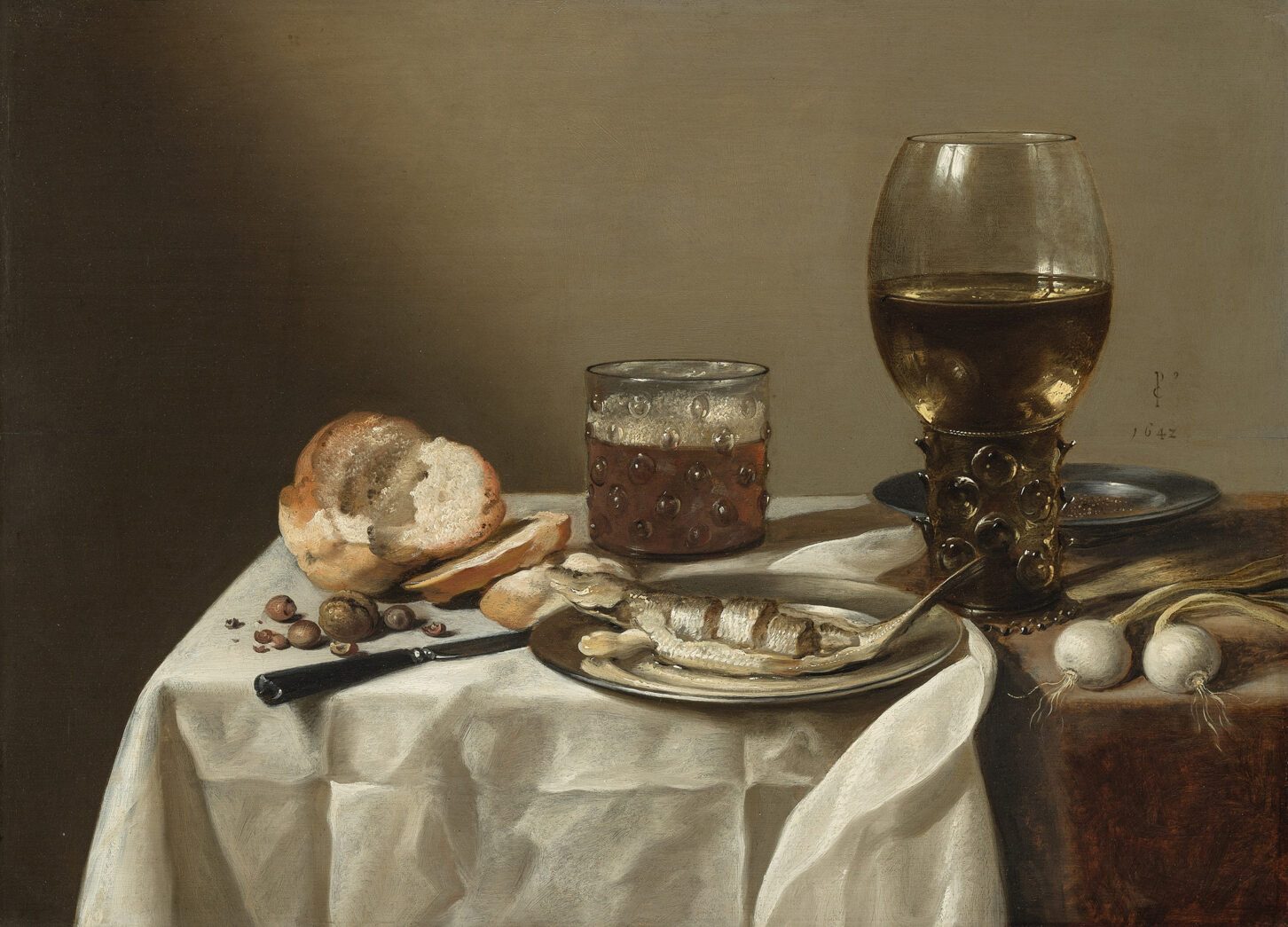
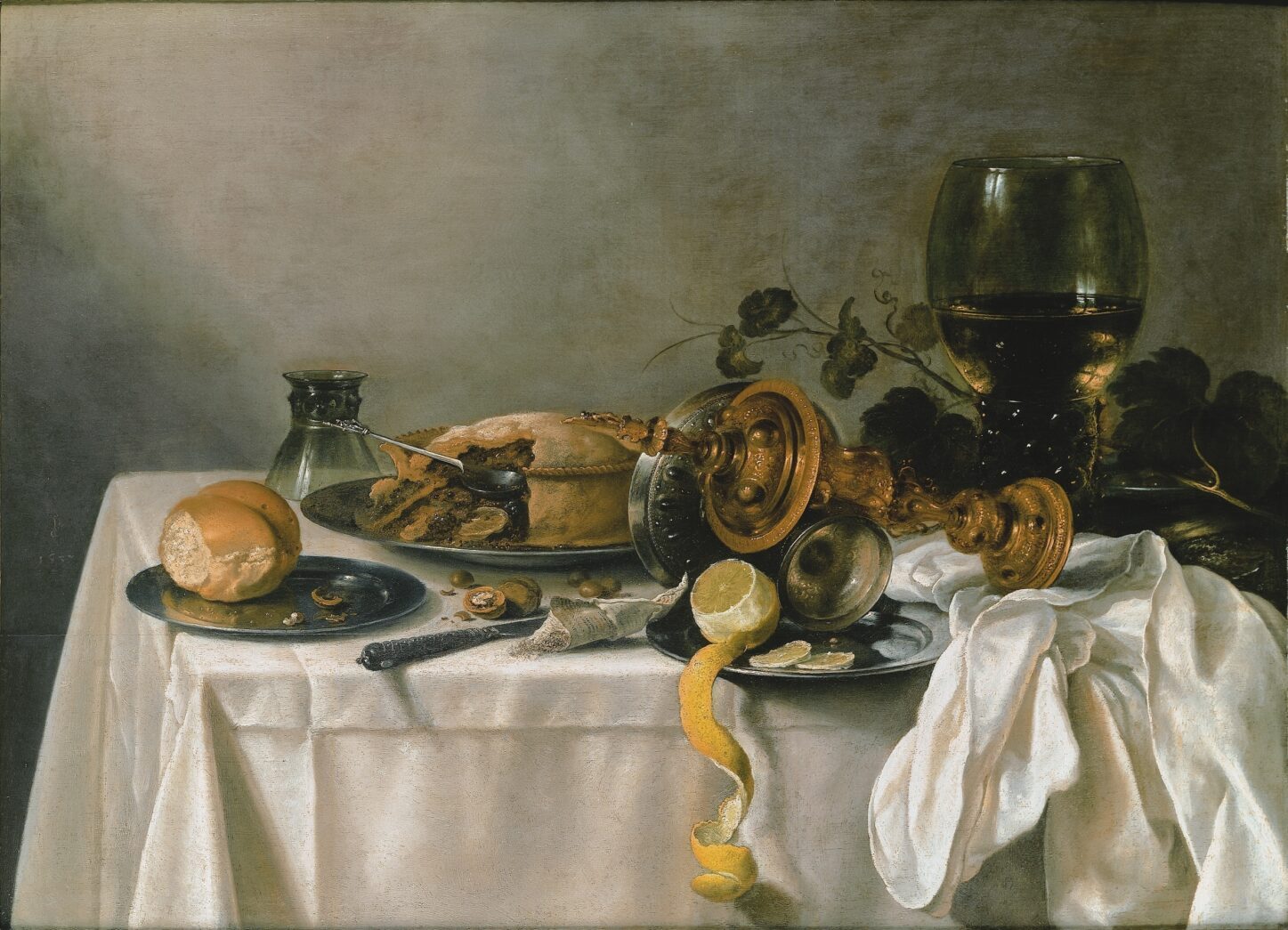
Pieter Claesz
Stillleben mit Glaspokal, 1642
Universalmuseum Joanneum, Alte Galerie Schloss Eggenberg, Leihgabe Kaiserschild-Stiftung
Photo: UMJ/N. Lackner
Press tour:
Thursday, 12 November 2026, 11 AM (please register). Private tours available upon request.
Kunst Museum Winterthur | Reinhart am Stadtgarten
Stadthausstrasse 6
8400 Winterthur
The Kunst Museum Winterthur, in collaboration with the Kaiserschild Foundation, is dedicating a small-scale exhibition to the Dutch Baroque painter Pieter Claesz, running from 14 November 2026 to 14 March 2027. The focus is on his intricately composed still lifes depicting meals, in which pleasure and prosperity are combined with an awareness of the transience of life. The exhibition presents works by Pieter Claesz and his Haarlem circle in dialogue with high-resolution digital resources that form part of the Kaiserschild Art Defined project.
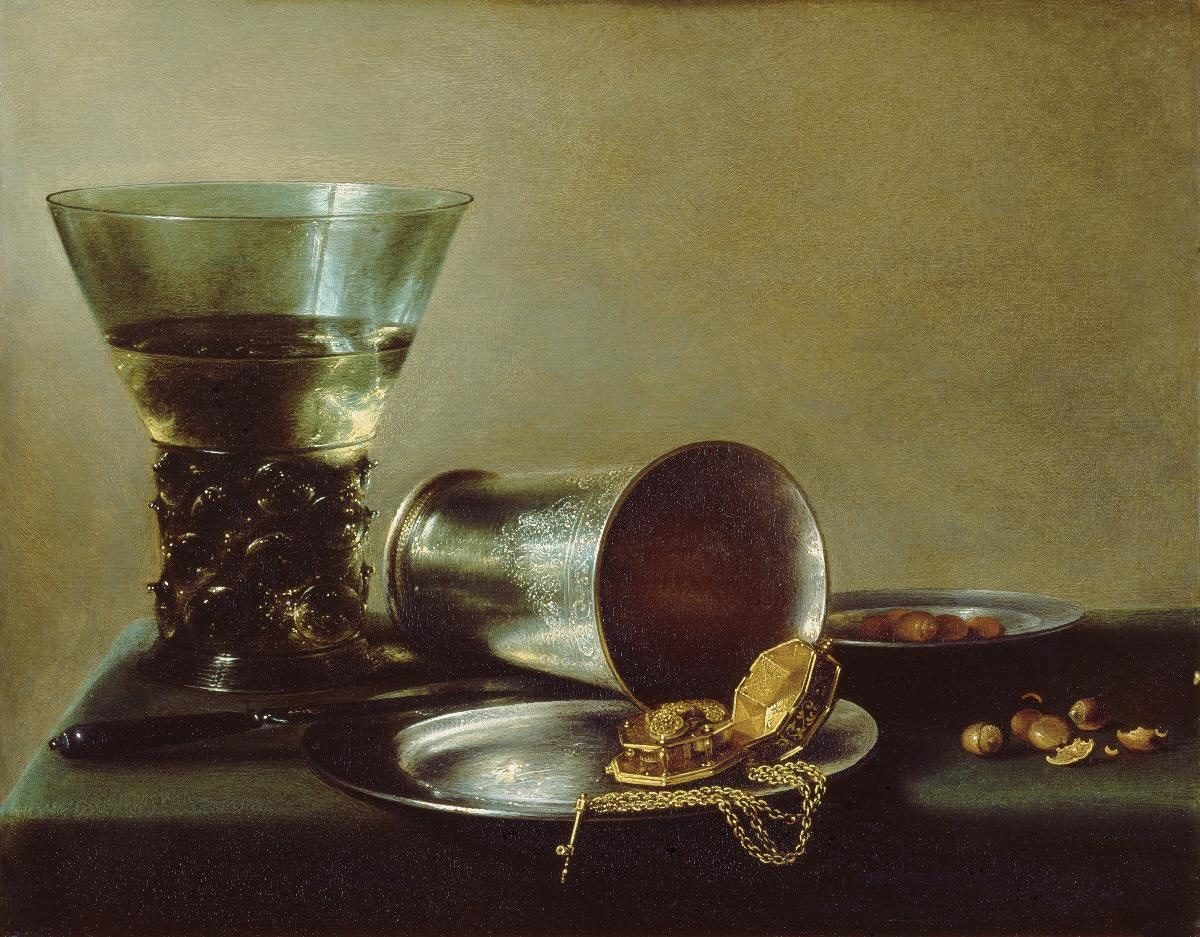
The table is set: crispy rolls, glistening oysters, salted fish, pâtés and artfully sliced lemons beckon you to help yourself. But beware: in the still lifes of Pieter Claesz (1597/98–1660), nothing is quite as it seems. With sophisticated lighting effects and astonishingly nuanced surface details, he transformed laid tables into deceptively realistic, sensuous visual worlds. Metal, glass, fabrics and food are rendered with such precision that they almost invite you to reach out and touch them. Claesz’s still lifes reflect the everyday world of the Dutch bourgeoisie during the so-called Golden Age. The food and precious objects depicted are symbols of prosperity and enjoyment. At the same time, these seemingly innocuous scenes possess a deeper meaning: overturned glasses, food that has been partially consumed, extinguished candles and watches are reminders of the transience of life. It is particularly in the vanitas still lifes that the Baroque conception of the fleeting nature and transience of all earthly things becomes visibly apparent.
Claesz ranks amongst the most significant still-life painters of the 17th century; he is regarded as the most innovative exponent of the so-called monochrome ‘Banketjes’ (Banquet paintings). Around 1620/1621, he settled in the economically burgeoning city of Haarlem, where he developed his distinctive style. Over the course of four decades, he produced an extensive body of work; more than 240 of his paintings are known today. Whereas older still lifes were often characterised by opulent colours and an abundance of objects, Claesz favoured muted colours, clear compositions with few objects, and finely balanced effects of light and shadow.
The exhibition Dining with Pieter Claesz focuses both on the artist’s circle in Haarlem and, by extension, on a major centre of Dutch still-life painting. In Haarlem, depictions of set tables and sumptuous displays had already established themselves by the beginning of the century. Claesz, however, played a decisive role in further developing this tradition. His culinary still lifes made him famous in his own time and became his hallmark. They demonstrate exceptional mastery in the illusionistic depiction of materials and surfaces and have shaped the image of the Dutch still life to this day.
Originals in dialogue with digital presentation
A particular focus of the exhibition is on teaching. In collaboration with the Kaiserschild Foundation in Vienna and as part of the ‘Kaiserschild Art Defined’ project, six paintings were digitised in high resolution. The digitised images allow viewers to examine even the finest details of the paintings. An interactive media station invites visitors to explore the digital images and compare them with the originals. Short films and a digital guide provide further insights into Claesz’s life and work, as well as the cultural and historical context of his works.
Dining with Pieter Claesz is the result of a collaboration between the Kaiserschild Foundation, the Kunsthistorisches Museum in Vienna and the Alte Galerie at the Universalmuseum Joanneum in Graz. Following exhibitions in Vienna and Graz, Winterthur is the third venue. For the exhibition in Winterthur, the display will be expanded to include additional works by Pieter Claesz and artists associated with him, drawn from the museum’s own collections as well as from other Swiss museums and private collections.
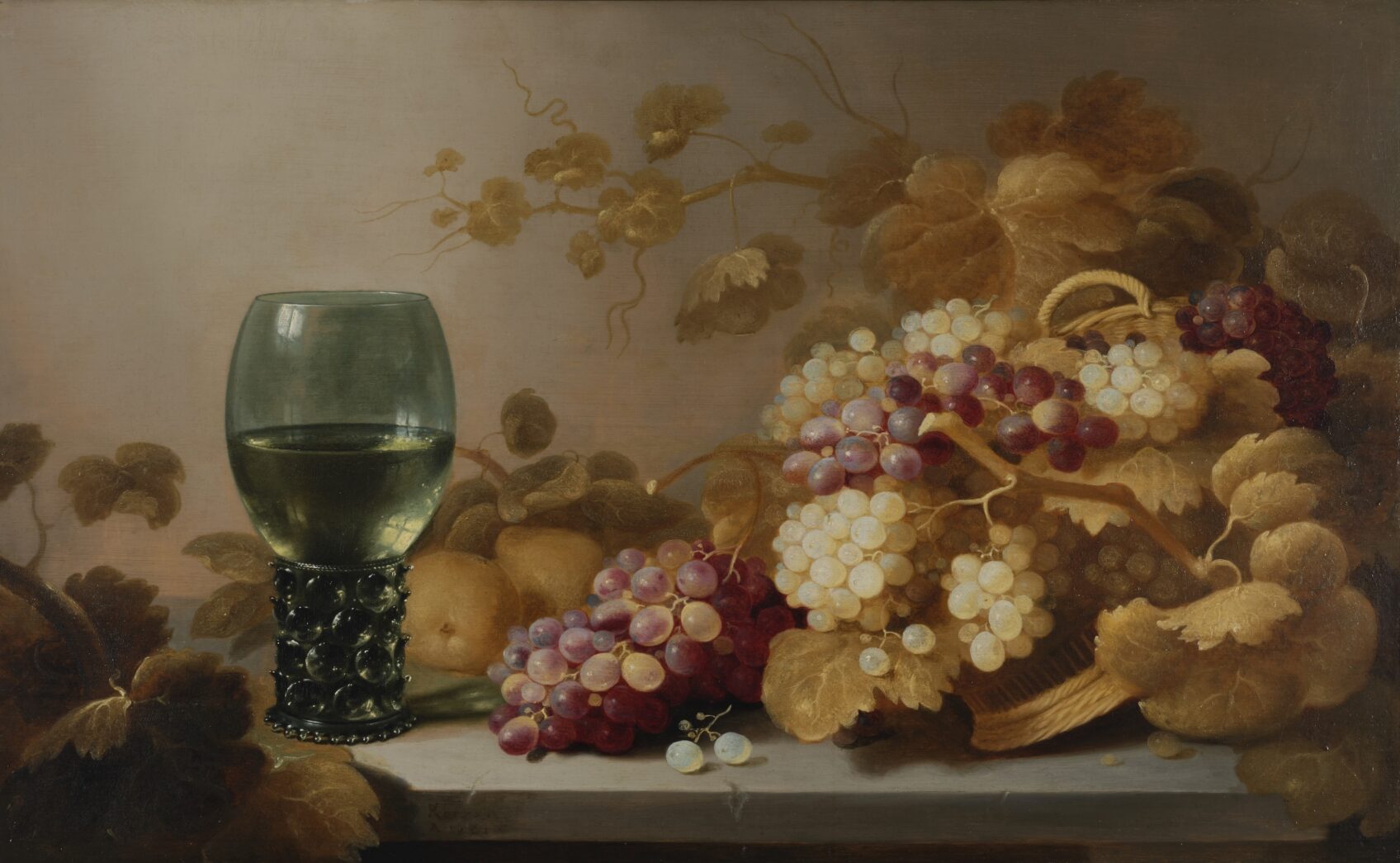
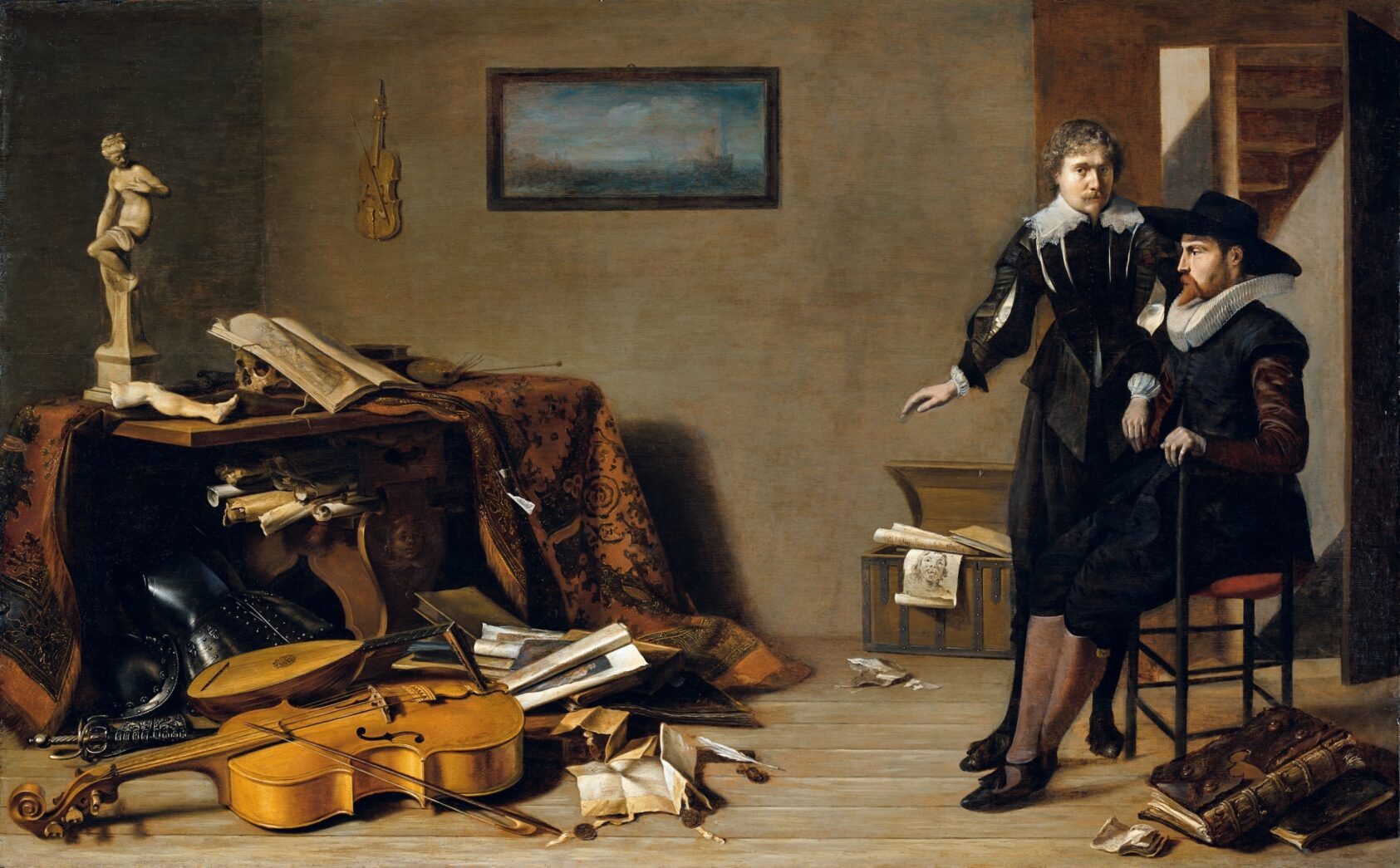
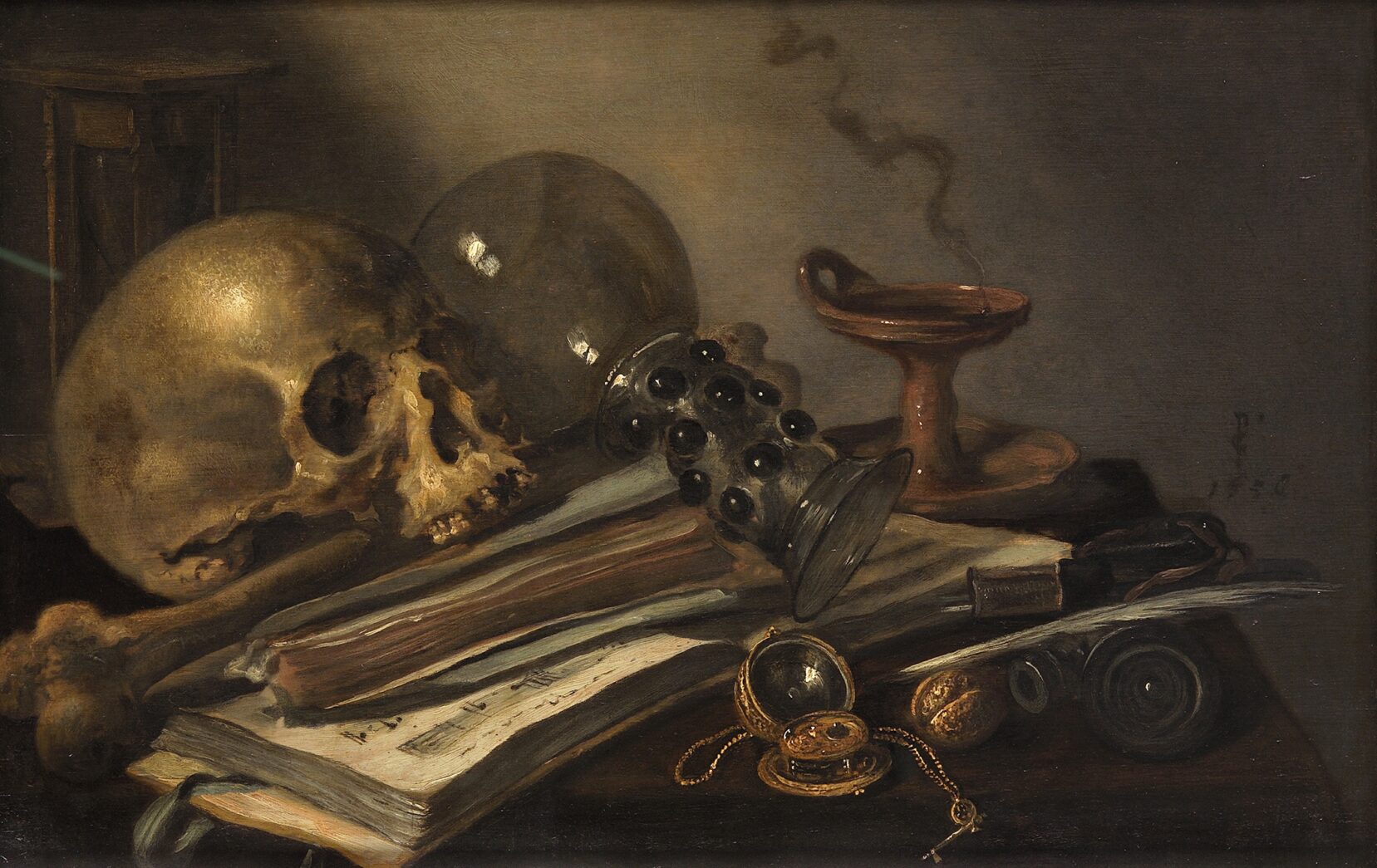
Images
Hoisted from the pit: the gallery association's latest acquisition
10.07.2025
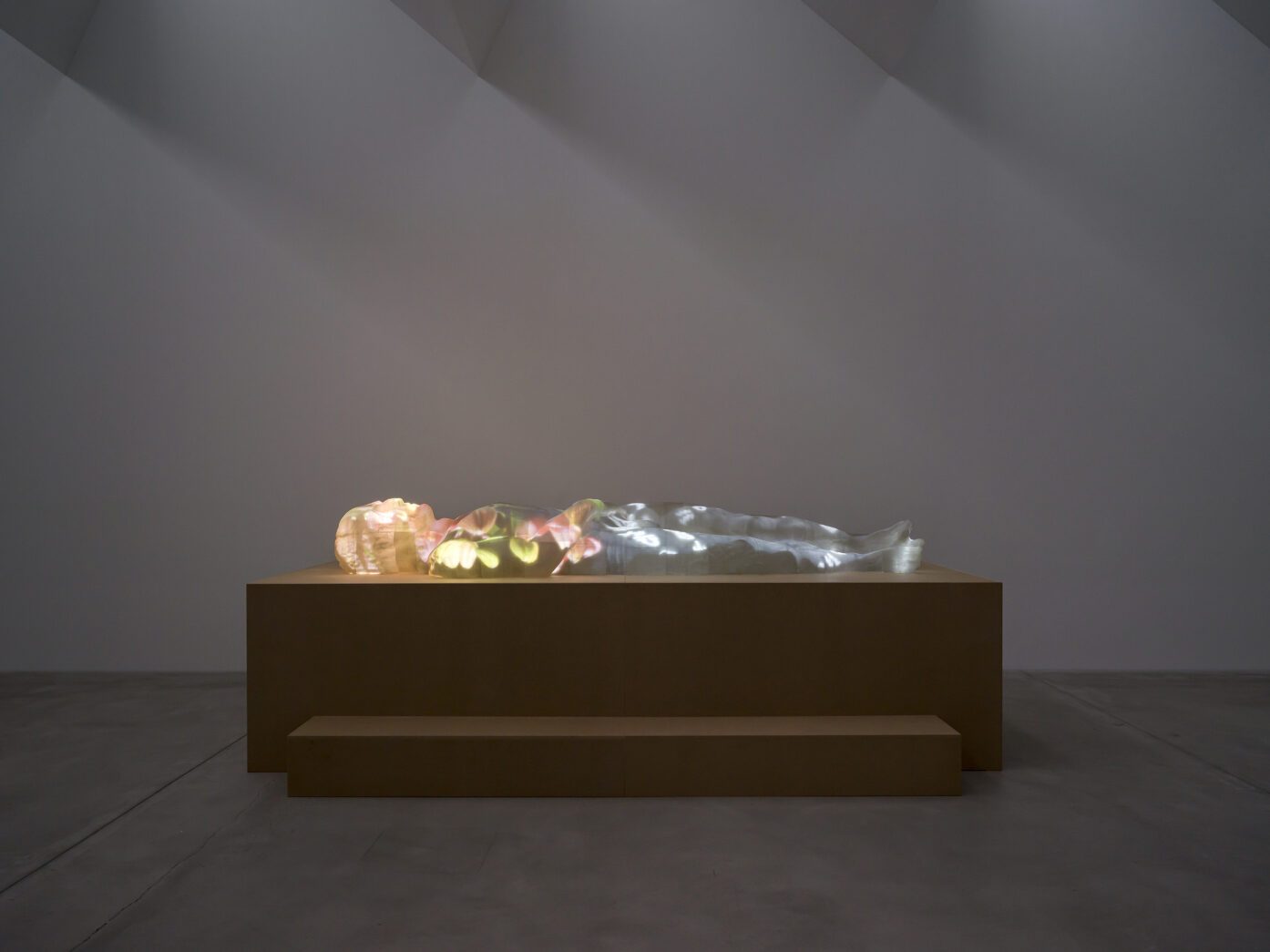
At this year's general meeting of the Galerieverein, a vote was taken on the purchase of works by Tony Oursler. To the great delight of all involved, three works from the current exhibition Hoisted from the Pit were acquired: Nephilim and the two works DMEz*l and che^^trails, which together form an immersive room installation.
MEHR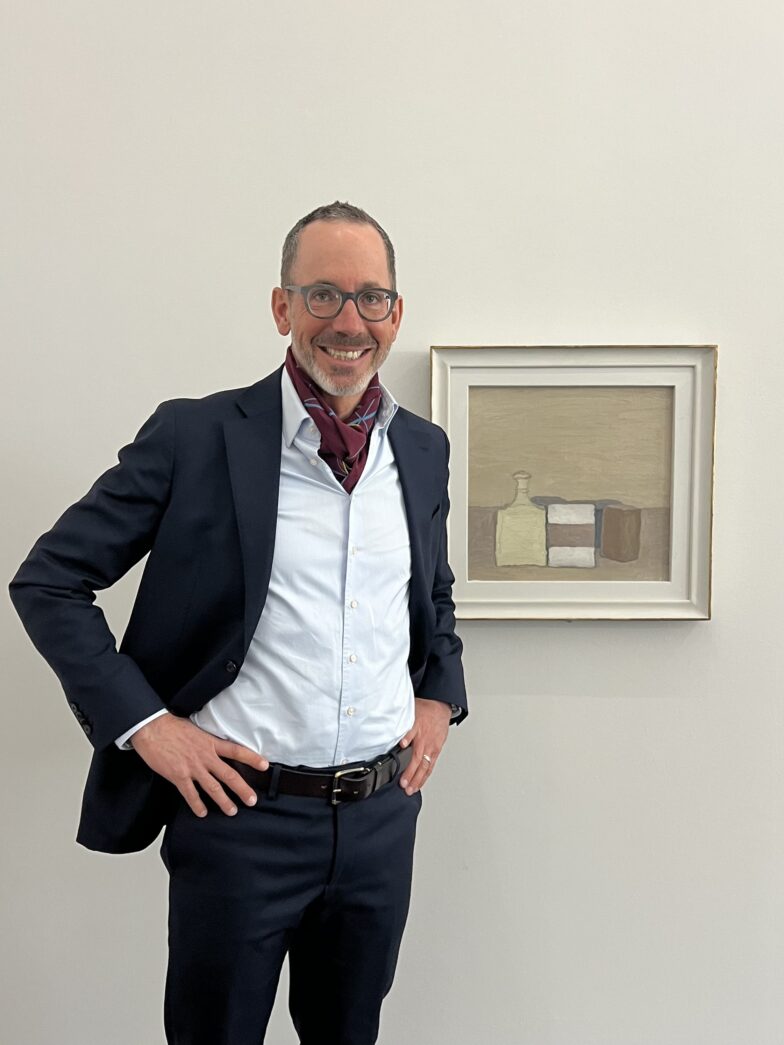
Portrait Series Galerieverein
02.04.2025
In this post of the members' series, the Galerieverein portrays Stefan Brunnschweiler. The vice president of the association has always felt connected to the Kunst Museum Winterthur. In this article, he introduces his favourite artist Giorgio Morandi and explains why he enjoys being involved in the Galerieverein despite his busy schedule.
MEHR
Call for entries for December exhibition: Overview 2025
02.07.2025
The Kunst Museum Winterthur and the Kunsthalle Winterthur are organising the December exhibition 2025 in collaboration with the Winterthur Artists' Group. Applications to participate are now being accepted. The deadline for registration is 25 August 2025.
MEHR